Gajar Halwa Recipe: 7 Easy Steps to Make Perfect Indian Carrot Halwa
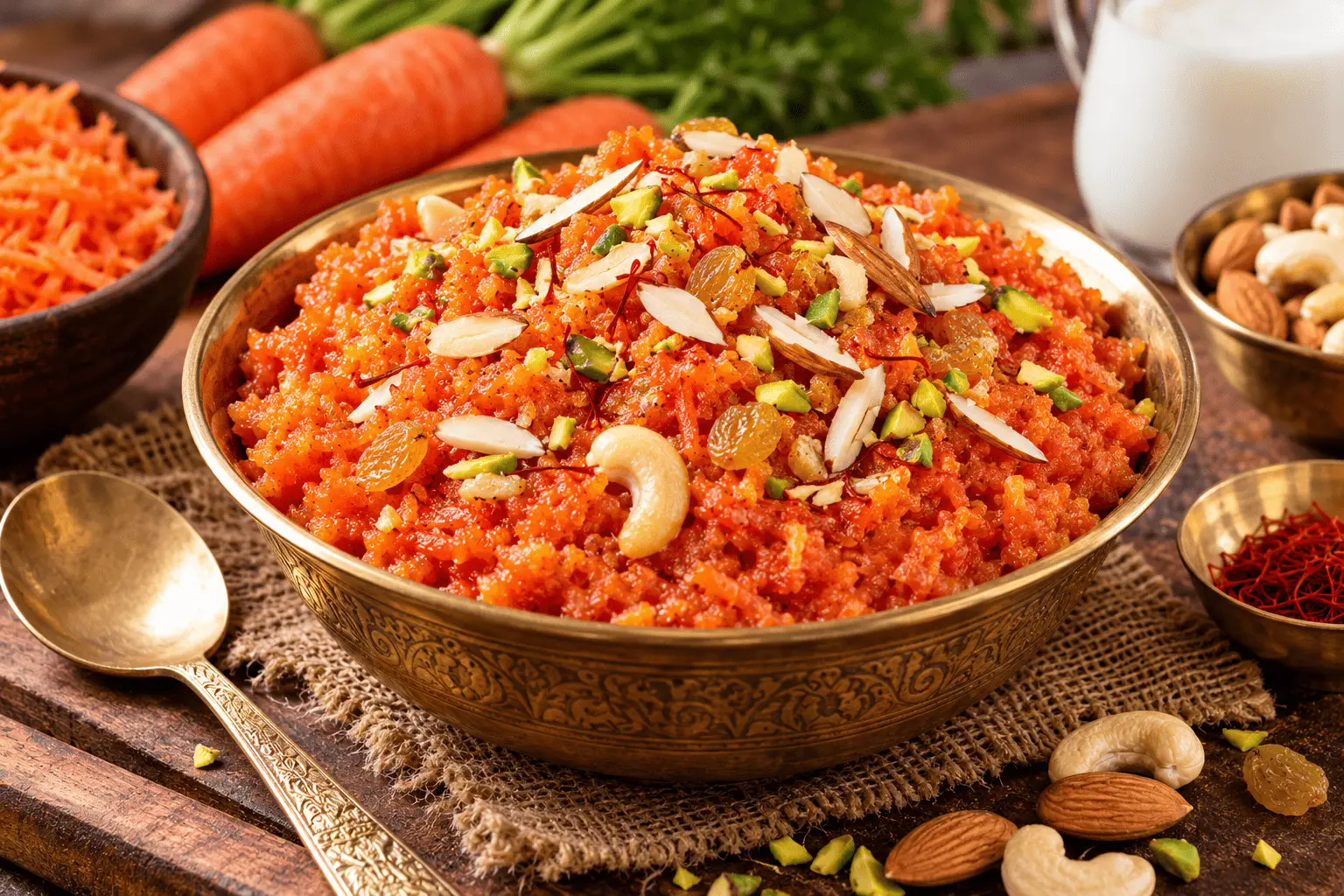
Gajar Halwa Recipe is one of the most popular Indian dessert recipes, especially during the winter season. Made with fresh carrots, full-fat milk, ghee, sugar, cardamom, and dry fruits, this traditional sweet is loved for its rich flavour, creamy texture, and delightful aroma.
Whether you are preparing a dessert for your family, celebrating a festival, or simply craving something sweet on a cold evening, homemade Gajar Halwa is an excellent choice. The best part is that you can make it with simple kitchen ingredients.
In this guide, you will learn how to make Gajar Halwa step by step, which ingredients to use, how to achieve the perfect consistency, and how to store it properly.
This Gajar Halwa Recipe is ideal for anyone who wants to enjoy a traditional Indian dessert without using complicated cooking techniques. With fresh carrots, milk, ghee, and aromatic cardamom, you can prepare a delicious homemade sweet using everyday ingredients.
This Gajar Halwa Recipe is a wonderful choice for anyone who loves traditional Indian sweets. Its combination of tender carrots, creamy milk, aromatic cardamom, and crunchy nuts creates a delicious dessert that can be enjoyed during winter, festivals, and family celebrations. Preparing it at home also allows you to adjust the sweetness and richness according to your personal preference.
What Is Gajar Halwa?
Gajar Halwa, also known as Gajar Ka Halwa or Indian Carrot Halwa, is a traditional Indian sweet prepared by slowly cooking grated carrots with milk, sugar, and ghee.
It is particularly popular in North India during winter when fresh red carrots are available in local markets. Cardamom adds a pleasant fragrance, while almonds, cashews, and raisins enhance the taste and texture.
Different regions and families have their own versions of this dessert. Some recipes use khoya for extra richness, while others rely on milk to create a creamy consistency. This homemade Gajar Halwa Recipe uses a traditional milk-based method that is easy to follow.
Gajar Halwa Recipe Details
- Preparation Time: 15 minutes
- Cooking Time: 45–60 minutes
- Total Time: Approximately 60–75 minutes
- Servings: 4 people
- Difficulty: Easy to Moderate
- Cuisine: Indian
- Course: Dessert
Cooking time may vary depending on the carrots, pan size, heat level, and moisture content.
Ingredients for Gajar Halwa Recipe
Here are the ingredients you need to prepare delicious homemade carrot halwa.
- 1 kg fresh carrots, preferably red winter carrots
- 1 litre full-fat milk
- 4–6 tablespoons sugar, adjusted to taste
- 3–4 tablespoons ghee
- ¼ teaspoon cardamom powder
- 2 tablespoons chopped almonds
- 2 tablespoons chopped cashews
- 1 tablespoon raisins
- A few saffron strands, optional
For the best results, prepare all the ingredients before starting this Gajar Halwa Recipe. Wash and grate the carrots evenly, measure the milk and sugar, and chop the dry fruits in advance. Proper preparation makes cooking easier and helps you achieve a consistent texture.
Before preparing this Gajar Halwa Recipe, make sure all your ingredients are fresh and measured correctly. Good-quality carrots provide natural sweetness, while full-fat milk adds a creamy texture. Fresh ghee, cardamom powder, and chopped dry fruits enhance the flavour and give the finished dessert its traditional Indian taste.
How to Choose the Best Carrots
Choose fresh, firm carrots without soft spots or signs of spoilage. Red winter carrots are traditionally preferred because of their colour and flavour, but orange carrots also work well.
Wash, peel, and grate the carrots using a medium-sized grater. Medium-grated carrots generally provide a good balance between texture and cooking time.
Before starting this Gajar Halwa Recipe, prepare all the ingredients and grate the carrots evenly. Measuring the milk, sugar, and ghee in advance makes the cooking process easier and helps you control the final sweetness and consistency.
Gajar Halwa Recipe: Step-by-Step Instructions
Follow these seven simple steps to prepare a delicious traditional Indian dessert.
Step 1: Wash, Peel, and Grate the Carrots
Wash the carrots thoroughly under running water to remove dirt. Peel them and trim both ends before grating.
Use a medium-sized grater so the carrots cook evenly while retaining some texture. Avoid leaving very large pieces because they may take longer to soften.
For a smooth cooking process, prepare the carrots carefully before beginning the Gajar Halwa Recipe. Remove the outer skin, trim both ends, and grate the carrots evenly. Medium-sized grated carrots retain a pleasant texture and cook more uniformly. Preparing the carrots in advance also makes the remaining cooking steps easier to manage.
Step 2: Heat Ghee and Sauté the Carrots
Place a heavy-bottomed pan or kadai over medium heat. Add the ghee and allow it to melt.
Add the grated carrots and sauté for 5–8 minutes, stirring regularly. This helps reduce the raw carrot smell and brings out their natural aroma.
Sautéing the carrots in ghee is an important stage of the Gajar Halwa Recipe because it helps develop their aroma before the milk is added. Stir the carrots continuously enough to prevent sticking, and cook until the raw smell begins to disappear. Avoid browning them excessively, as the aim is to soften the carrots while preserving their natural flavour.
Step 3: Add Milk and Cook Slowly
Pour the milk into the pan and mix thoroughly. Bring the mixture to a gentle boil, then reduce the heat to medium-low.
Cook uncovered for approximately 30–45 minutes, stirring frequently. The carrots will soften as the milk gradually reduces.
Slow cooking is important because it helps the carrots absorb the milk and develop a rich flavour. Keep an eye on the pan to prevent the milk from sticking or burning.
When following this Gajar Halwa Recipe, allow the milk to simmer slowly with the grated carrots. Gradual cooking softens the carrots and allows the flavours to blend together. Stir the mixture regularly and adjust the heat when necessary to prevent the milk from sticking to the bottom of the pan.
Step 4: Add Sugar
Once the carrots are soft and most of the milk has reduced, add sugar according to your taste.
The mixture may become thinner after adding sugar because it releases moisture. Continue cooking until the excess liquid evaporates and the halwa becomes thick.
Taste the mixture before adding more sugar, particularly if your carrots are naturally sweet.
The sweetness of this Gajar Halwa Recipe can be adjusted according to the natural flavour of the carrots. Add sugar after the carrots have softened and the milk has reduced considerably. Since sugar releases moisture, continue cooking until the extra liquid evaporates and the halwa reaches a thick, spoonable consistency.
Step 5: Add Cardamom and Dry Fruits
Add cardamom powder, chopped almonds, cashews, and raisins. You can also add a few saffron strands for extra aroma.
Mix everything well and cook for another 5–10 minutes over low heat. Stir frequently as the mixture thickens.
You can make this Gajar Halwa Recipe more festive by adding almonds, cashews, pistachios, and raisins. These ingredients provide contrasting textures and complement the sweetness of the carrots. For an additional aroma, a small amount of cardamom or a few saffron strands can be included near the end of cooking.
Step 6: Cook Until Thick and Glossy
Continue cooking until the carrots are completely tender and the mixture becomes thick, glossy, and rich.
There should be no excess milk pooling at the bottom of the pan. Avoid overcooking until the halwa becomes dry, as it will thicken further after cooling.
Step 7: Garnish and Serve
Turn off the heat and let the halwa rest for a few minutes. Transfer it to a serving bowl and garnish with chopped almonds, cashews, or pistachios.
Serve warm after lunch or dinner. For a special dessert, you can serve a small portion with vanilla ice cream.
Your homemade Gajar Halwa is ready to enjoy!
The secret to a flavourful Gajar Halwa Recipe is slow cooking. Give the carrots enough time to soften and allow the milk to reduce gradually. Stir regularly, especially towards the end, to prevent the mixture from sticking to the pan.
7 Tips for Making Perfect Gajar Halwa
1. Use Fresh Seasonal Carrots
Fresh, naturally sweet carrots improve the colour and flavour of the dessert.
2. Choose Full-Fat Milk
Full-fat milk generally creates a richer texture. Stir frequently while cooking to prevent the milk from scorching.
3. Use a Heavy-Bottomed Pan
A heavy-bottomed pan distributes heat more evenly and reduces the risk of burning.
4. Add Sugar at the Right Time
Adding sugar after the carrots soften and the milk reduces helps you control the final consistency.
5. Stir Regularly
The mixture becomes thicker towards the end of cooking, making it more likely to stick to the pan. Frequent stirring helps prevent burning.
6. Add Khoya for Extra Richness
For a richer festive variation, add approximately 100–150 g of grated khoya near the end. Adjust the sugar according to taste.
7. Let the Halwa Rest Before Serving
Allow the halwa to rest for a few minutes. This helps it settle and makes serving easier.
When preparing this Gajar Halwa Recipe for guests, you can add chopped almonds, cashews, pistachios, or a few saffron strands for extra flavour. Adjust the sugar according to the natural sweetness of the carrots and serve the dessert warm.
You can customise this Gajar Halwa Recipe by adding khoya, saffron, almonds, cashews, or pistachios according to your preference. If the carrots are naturally sweet, reduce the added sugar and taste the mixture before making any final adjustments.
Consistency is one of the most important signs of a well-prepared Gajar Halwa Recipe. The finished mixture should be moist and thick, with tender carrots and no excess milk collecting at the bottom. Remember that the halwa becomes thicker as it cools, so stop cooking when it reaches a slightly softer consistency than your final serving preference.
Common Mistakes to Avoid
Using old or spoiled carrots: Fresh carrots provide better flavour and texture. Always discard carrots showing signs of spoilage.
Cooking on very high heat: High heat can cause the milk to burn before the carrots become tender. Use medium-low heat for gradual cooking.
Adding too much sugar: Excessive sweetness can overpower the natural flavour of the carrots. Start with a moderate amount and adjust at the end.
Stopping while the halwa is watery: Continue cooking until most of the liquid has evaporated and the mixture has thickened.
Not stirring frequently: Stirring becomes especially important during the final stage when the halwa is thick.
Delicious Variations of Gajar Halwa
Khoya Gajar Halwa
Add grated khoya near the end of cooking for a richer and creamier dessert. This version is particularly suitable for festive meals.
Condensed Milk Carrot Halwa
Condensed milk can make the dessert richer and sweeter. Reduce or omit the added sugar initially, then taste and adjust.
Less-Sweet Gajar Halwa
Use naturally sweet carrots and reduce the added sugar. This allows the carrot flavour to remain more prominent.
Vegan Gajar Halwa
Replace dairy milk with an unsweetened plant-based milk and use a suitable plant-based fat instead of ghee. The flavour and texture will differ from the traditional version.
Dry-Fruit Gajar Halwa
Add your preferred combination of almonds, cashews, pistachios, and raisins for extra flavour and texture.
How to Store Gajar Halwa
Allow the halwa to cool before transferring it to a clean, airtight container.
- Refrigerator: Generally, store for around 3–4 days.
- Reheating: Warm the required portion in a pan over low heat. Add a small splash of milk if it has become too thick.
- Freezing: Freeze in suitable airtight portions for longer storage. Thaw in the refrigerator and reheat thoroughly before serving.
Because this recipe contains milk, refrigerate leftovers promptly rather than leaving them at room temperature for extended periods.
After preparing this Gajar Halwa Recipe, allow the dessert to cool before transferring it to a clean, airtight container. Refrigerate leftovers promptly because the recipe contains milk. Reheat only the portion you need over low heat, adding a little milk if the halwa becomes too thick during storage.
Is Gajar Halwa Healthy?
Carrots provide fibre and beta-carotene, which the body can convert into vitamin A. Milk contributes protein and calcium, while nuts provide fats and additional nutrients.
However, traditional carrot halwa also contains sugar and ghee, so its energy content can be substantial. Enjoy it in moderate portions as part of a varied diet.
You can reduce the added sugar or adjust the quantity of ghee to suit your preferences. The nutritional value depends on the ingredients and serving size.
Frequently Asked Questions About Gajar Halwa Recipe
1. How long does Gajar Halwa take to cook?
Preparation usually takes around 15 minutes, while cooking takes approximately 45–60 minutes. The actual time depends on the quantity of carrots, pan size, and heat level.
2. Which carrots are best for Gajar Halwa?
Fresh red winter carrots are traditionally preferred because of their colour and flavour. Orange carrots can also be used successfully.
3. Can I make Gajar Halwa without khoya?
Yes. The milk-based Gajar Halwa Recipe does not require khoya. Milk, carrots, ghee, and the other listed ingredients are sufficient.
4. Why is my Gajar Halwa watery?
The milk or moisture released by the carrots may not have reduced enough. Continue cooking over medium-low heat, stirring frequently, until the mixture thickens.
5. When should I add sugar?
Add sugar after the carrots soften and the milk reduces considerably. Sugar releases moisture, so the mixture may need additional cooking time.
6. Can I prepare Gajar Halwa in advance?
Yes. Prepare it in advance, refrigerate it in an airtight container, and reheat the required portion before serving.
7. Can I make carrot halwa without milk?
Yes. You can use unsweetened plant-based milk, although the taste and consistency will differ from the traditional dairy-based recipe.
8. What can I serve with Gajar Halwa?
Serve it warm on its own or with a small scoop of vanilla ice cream. It is also a popular dessert for festive meals and family gatherings.
Whether you are preparing a festive meal or a comforting winter dessert, this Gajar Halwa Recipe is a wonderful addition to your homemade sweets collection. Serve it warm, garnish it with chopped nuts, and enjoy this traditional Indian dessert with your family.
Conclusion
This Gajar Halwa Recipe makes it easy to prepare a traditional Indian winter dessert using simple ingredients. Fresh carrots, milk, ghee, sugar, cardamom, and dry fruits combine to create a rich and comforting sweet.
For the best results, cook the carrots patiently, add sugar after the milk has reduced, and stir regularly as the mixture thickens. Once you master the basic method, try variations with khoya, saffron, or additional dry fruits.
Prepare this delicious homemade carrot halwa for your next family gathering or winter evening and enjoy a timeless Indian favourite.
📖 Next Blog: Continue Reading on My Daily Viral
Want to keep exploring the latest trending topics, guides, and updates? Check out our other popular blogs below 👇
🎬 Entertainment & Movies
-
🇮🇳 Battle of Galwan Movie 2026: Salman Khan’s Powerful War Drama Based on Real Events
📱 Technology & Gadgets
-
📱 Amazing iPhone 17 Series (2025) – Full Review, Top Features & Price in India
-
☁️ What is Cloud Computing? Beginner’s Guide (AWS, Azure, GCP Explained)
👗 Fashion & Festivals
-
💃 Navratri Lehengas Chaniya Cholis 2025 – Stunning Trends, Colors & Styling Ideas
-
🎉 Explore 2025 Festival & Wedding Fashion in India – For Men, Women & Kids
-
🪔 Navratri 2025: 9 Days of Goddess, History, Rituals, Fashion & Fasting
🧘 Health & Lifestyle
-
🧘♀️ How to Include Yoga in Your Daily Routine | 10 Simple Ways for a Healthy Life
-
🌿 Yoga for Back Pain: Ultimate Guide to Relief, Flexibility & Strength
-
💪 Daily Home & Office Workout Routine Without Equipment – Stay Fit Anywhere
-
🥗 Ultimate Guide to Weight Loss in 2025-26: Diet, Workouts & Lifestyle Tips
-
🍛 7-Day Indian Weight Loss Diet Plan (Veg & Non-Veg) – 2025-26 Edition