Ultimate Guide to Weight Loss: Diet, Workouts and Lifestyle Tips
Medical note: This article is for general information and is not medical advice. Please talk to a doctor or dietitian before changing your diet or exercise if you are pregnant, under 18, have diabetes, thyroid problems, PCOS, heart or joint problems, take regular medicines, or have ever had an eating disorder.
This guide to weight loss is for anyone who is tired of crash diets and quick fixes. Lasting weight loss does not come from starving or punishing workouts. It comes from small habits you can repeat every day: balanced meals, regular movement, good sleep and patience.
In this guide to weight loss, you will learn how fat loss works, what to eat (with Indian meal ideas), which workouts suit beginners, which daily habits help, which mistakes to avoid and when to see a doctor.
Key Takeaways
- This guide to weight loss focuses on slow, steady and sustainable fat loss.
- A safe pace is usually about 0.5 to 1 kg per week.
- Eat balanced Indian meals with vegetables, protein, whole grains and healthy fats.
- Combine walking, strength training and yoga. Add HIIT only if your body is ready for it.
- Sleep, stress and daily steps matter as much as diet.
- Avoid crash diets, fat-burner pills and “overnight results” promises.
- Check your progress by waist size, energy and how clothes fit, not only by the scale.
How Weight Loss Works: The Science Behind This Guide to Weight Loss
Weight loss comes down to a simple idea: over time, you use more energy than you take in. But real life is not only about maths. Several things affect how easily your body loses fat.
- Energy balance: Eating a little less than you use, and moving more, leads to fat loss over time.
- Metabolism: Your body burns energy even at rest. Building muscle through strength training helps keep your metabolism healthy.
- Sleep and stress: Poor sleep and constant stress can increase hunger and cravings, which makes it harder to stay on track.
- Medical conditions: Thyroid problems, PCOS, diabetes and some medicines can affect weight. A doctor can check these.
Myth buster: Carbs are not automatically bad, and you do not have to cut out roti or rice. What matters is the quality of the food, your portion sizes and your overall intake.
Set Realistic Goals First
Before you start, decide what success looks like for you.
- Choose a safe target. Aim for about 0.5 to 1 kg per week. Losing faster is usually harder to maintain.
- Set a habit goal, such as “walk 30 minutes, 5 days a week”, instead of only a number on the scale.
- Measure more than weight. Note your waist size, photos, energy levels and sleep.
- Expect slow weeks. Weight changes day to day because of water, salt and hormones.
Your Guide to Weight Loss Diet: What to Eat
There is no single best diet. The best plan is one you can follow comfortably for months. A balanced Indian diet works well for most people.
The Healthy Plate Method
Fill your plate like this at lunch and dinner:
- Half the plate: vegetables and salad
- A quarter: protein (dal, paneer, curd, eggs, fish, chicken, sprouts, tofu)
- A quarter: whole grains (roti, brown rice, millets, oats)
- A small amount: healthy fats (nuts, seeds, a little ghee or oil)
Sample Indian Meal Ideas
| Meal | Ideas |
|---|---|
| Breakfast | Vegetable poha, besan chilla, idli with sambar, eggs with toast, oats with fruit |
| Mid-morning | A fruit, buttermilk or a handful of nuts |
| Lunch | 1 or 2 rotis or a small portion of rice, dal, sabzi, salad and curd |
| Evening snack | Roasted chana, sprouts chaat, fruit or a cup of tea with a light snack |
| Dinner | A lighter meal such as khichdi, dal and vegetables, grilled fish or chicken, or paneer with sabzi |
Want a full week of meals? Read our 7-Day Indian Weight Loss Diet Plan.
Simple Food Rules
- Eat protein at every meal to stay full longer.
- Choose whole foods over packaged snacks, sugary drinks and deep-fried items.
- Control portions instead of banning your favourite foods.
- Eat slowly and stop when you feel comfortably full.
- Plan for festivals and parties. One heavy meal will not ruin your progress.
What About Intermittent Fasting and Other Diets?
Some people find intermittent fasting easy to follow, while others feel tired, irritable or overeat later. It is not suitable for everyone, including people with diabetes who take medicines, pregnant or breastfeeding women, teenagers and anyone with a history of eating disorders. Very strict diets are hard to sustain and often lead to weight regain. If you want to try one, speak to a doctor or dietitian first.
Workout Plan for Your Guide to Weight Loss
Exercise helps you burn energy, protect muscle, improve mood and keep weight off. Adults are generally advised to aim for 150 to 300 minutes of moderate activity per week, as the World Health Organization recommends.
Beginner Weekly Plan
| Day | Activity |
|---|---|
| Monday | 30-minute brisk walk |
| Tuesday | Strength training at home (20 to 30 minutes) |
| Wednesday | Yoga or stretching (20 minutes) |
| Thursday | 30-minute brisk walk or cycling |
| Friday | Strength training (20 to 30 minutes) |
| Saturday | Fun activity: swimming, dance, badminton or a longer walk |
| Sunday | Rest or gentle stretching |
The Four Types of Exercise
- Cardio: walking, cycling, swimming and dancing burn energy and support heart health.
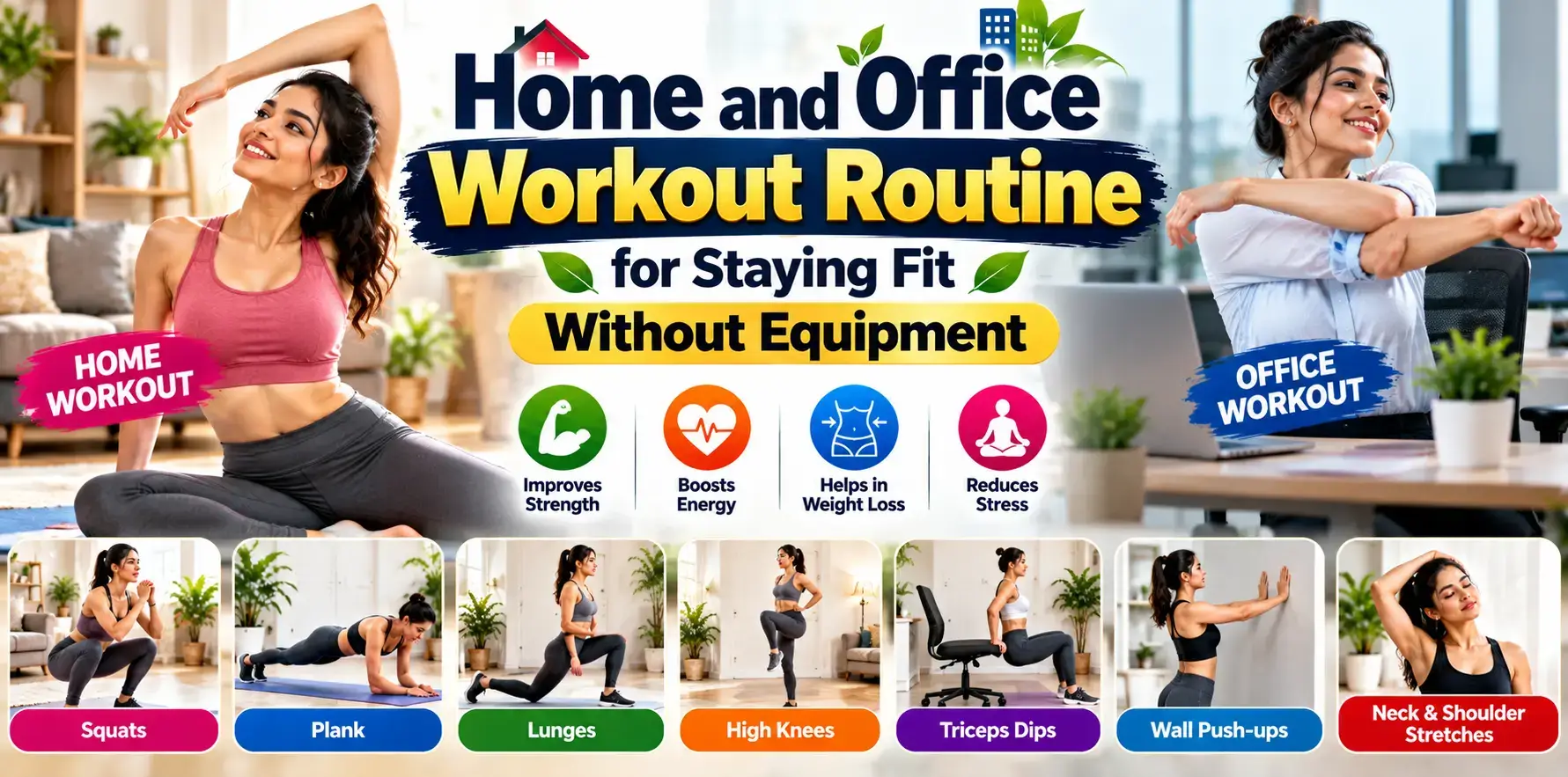
- Strength training: squats, push-ups (on knees if needed), lunges and resistance bands build muscle, which keeps your metabolism healthy.
- Yoga: improves flexibility, posture and stress control. If you also have back stiffness, try our yoga for back pain guide.
- HIIT: short bursts of hard effort can be effective, but it is demanding. Start only after you have built a base with walking and strength work, and skip it if you have heart, joint or blood pressure problems unless your doctor approves.
Tip: You cannot burn fat from one body part. Belly fat reduces when your overall body fat comes down.
7 Best Tips and Daily Habits That Boost Fat Loss
- Walk every day. Aim for a steady daily step habit, even if you start with 20 minutes.
- Sleep 7 to 9 hours. Poor sleep makes hunger and cravings worse.
- Drink water regularly through the day. Your needs depend on weather, activity and body size, so drink when thirsty and keep water nearby.
- Manage stress. Try deep breathing, meditation, prayer, music or a short walk.
- Cook at home more often, and keep healthy snacks ready.
- Cut down sugary drinks, sweets and fried snacks step by step, not all at once.
- Be consistent, not perfect. One bad meal does not undo a good week.
Common Weight Loss Mistakes to Avoid
- Crash diets: they cause tiredness and muscle loss, and the weight usually returns.
- Skipping meals: it often leads to overeating later.
- Depending on pills or “fat burners”: many are unproven and some can be harmful.
- Expecting results overnight: real fat loss takes weeks.
- Cutting out entire food groups without medical advice.
- Ignoring sleep and stress, which quietly undermine progress.
- Weighing yourself too often and getting discouraged by normal daily changes.
Do Supplements and Apps Help?
Supplements: No supplement can replace healthy eating, activity and sleep. Protein powder can help some people meet their protein needs, but it is optional. Evidence for green tea or omega-3 as a way to lose fat is limited. Talk to a doctor before taking any weight-loss pill or supplement.
Apps: Apps like Fittr, HealthifyMe and MyFitnessPal can help you track meals, steps and workouts. Use them as a guide, not a rule. If counting food starts to cause stress, guilt or an unhealthy focus on food, stop tracking and talk to a doctor or counsellor.
Weight Loss Tips for Different Needs
| Situation | What helps |
|---|---|
| Women with PCOS | Balanced low-GI meals, regular activity, strength training and doctor guidance |
| Diabetes | Do not change medicines or diet without your doctor. Choose low-GI foods and walk regularly |
| Thyroid problems | Get the condition treated and monitored. Weight may respond slowly |
| Men with belly fat | Walking, strength training, fewer sugary drinks, less alcohol and fewer fried snacks |
| Desk workers | Stand and walk every hour, plan active breaks and keep healthy snacks at hand |
| Age 40 and above | Prioritise strength training to protect muscle, plus walking and good sleep |
| Joint pain | Choose low-impact options like walking, swimming, cycling and yoga |
How to Track Progress and Beat a Plateau
- Measure your waist and take a photo every 2 to 4 weeks.
- Note your energy, sleep and mood.
- If weight stops moving for several weeks, check your portions, daily steps and sleep.
- Add a little more walking or strength work, or change your routine slightly.
- Do not slash calories sharply. Slowing down is normal and does not mean you have failed.
When to See a Doctor
Speak to a doctor or registered dietitian if:
- You have a medical condition or take regular medicines.
- You are losing weight without trying, or gaining weight suddenly.
- You feel dizzy, weak or very tired on your plan.
- You find yourself obsessing over food, skipping meals out of fear, or feeling guilty after eating.
- You have not seen progress despite steady effort for several weeks.
A professional can check for thyroid, hormone or other health issues and build a plan for you. For general tips, the NHS weight loss guide is also a trusted resource.
Frequently Asked Questions
1. What is the safest way to lose weight?
The safest way is a balanced diet with modest portions, regular activity, strength training, good sleep and patience. Avoid crash diets and aim for steady progress of about 0.5 to 1 kg per week.
2. Can I lose weight without exercise?
Yes, changing your diet can reduce weight, but exercise helps you keep muscle, improve your mood and maintain the loss. Even a daily walk makes a difference.
3. How many calories should I eat to lose weight?
It depends on your age, height, weight, activity and health. Very low-calorie diets can be unsafe, so ask a doctor or dietitian for a personalised target instead of following a fixed number from the internet.
4. Is intermittent fasting safe for everyone?
No. It may suit some healthy adults, but it is not recommended for pregnant or breastfeeding women, teenagers, people with diabetes on medicines or anyone with a history of eating disorders. Check with a doctor first.
5. Is this guide to weight loss suitable for beginners?
Yes. This guide to weight loss uses simple habits, Indian foods and low-impact workouts that most beginners can follow. If you have a health condition, get your doctor’s approval first.
Conclusion: Start Your Guide to Weight Loss Today
Healthy weight loss is not about starving or exercising until you collapse. It is about balance: eating real food, moving every day, sleeping well and being kind to yourself when progress is slow. Use this guide to weight loss as a roadmap, start with one or two habits, and build from there.
Ready for your next step? Follow our 7-Day Indian Weight Loss Diet Plan and explore more tips in our Lifestyle and Fitness section.
Which habit will you start with this week? Share it in the comments and bookmark this guide to weight loss for later.
This article is for general information only and does not replace professional medical advice.